
Export Obstacles That Have Been Experienced by Sellers at a Disadvantage
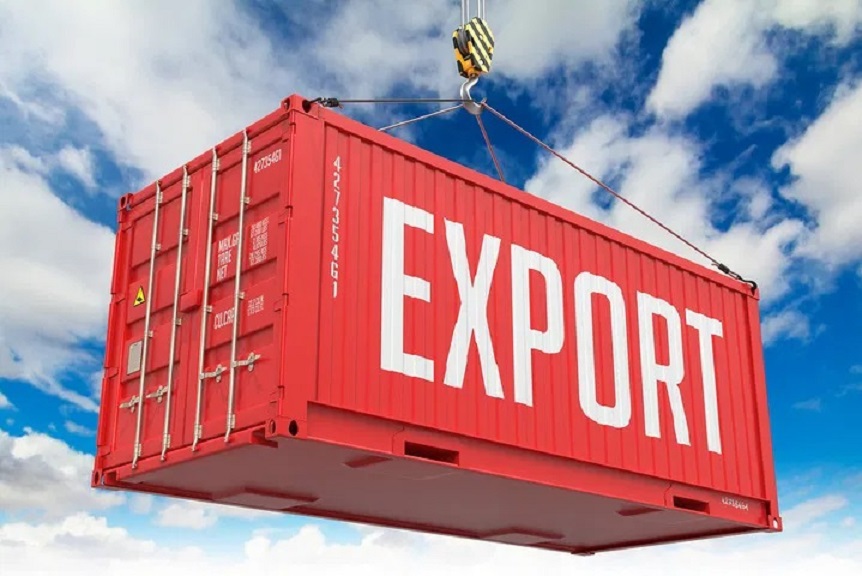
It cannot be denied that there are always export obstacles experienced by sellers. These obstacles can be anything, and are quite annoying for sellers. For example, in terms of product certification, which is one of the requirements of the importing country. Even though the export potential from Indonesia is quite large, especially for MSMEs.

When export activities are hampered, the country usually experiences economic losses. Including people who work in a number of sectors related to export activities themselves. The following are a number of obstacles and inhibiting factors that sellers usually experience when exporting goods abroad.
List of export-constraints-which-are-currently experienced by sellers which are detrimental
- International Economic and Political Policy
In general, each country will protect its product commodities so that they are not controlled by products from outside. So the country implements a policy of limiting imports and implementing certain import tariffs. The application of this tariff will hinder entrepreneurs who sell goods abroad.
However, on the other hand, import tariffs benefit domestic MSMEs because the prices are cheaper.
(Also read: Permits Required to Send Plants Abroad)
- The Emergence of a Major Conflict in a Country
Conflicts that often occur in a country are usually related to the political situation of that country. For example, ethnic riots, coups, wars, and many more. These security risks can affect the buying and selling transaction process between countries.
This is an export obstacle that has been experienced by sellers which is quite detrimental for exporters. When the destination country is experiencing a conflict.
- Low Quality of Human Resources
A person's level of education will also influence the quality of production. If a country is rich in natural products but does not have quality human resources for processing, then the results will be low.
The low quality of human resources will also have an impact on sales value. Because the product will be difficult to compete with similar products produced by other countries.
- Different Currency Values
Each country also has a different currency value. Some countries only want to accept products paid for in their country's currency. For example, Indonesia exports palm oil to the Netherlands and Indonesia wants to be paid in rupiah.
In general, both countries will use other foreign currencies for international payments, for example Euro/ Dollar.
- Wandering Bureaucracy
Export obstacles that have been experienced by sellers and the next obstacle are long-winded bureaucracy. Because all export or import activities must go through bureaucracy that has been determined by the government. The more complicated the bureaucracy, the longer the time required for this activity.
As a result, trust between sellers and buyers will decrease and hamper trading activities.
The MSME sector from Indonesia can become part of the supply chain, which will increase the portion of exports in terms of food products. In this case, MSMEs must already have a certificate ISO 22000, trademark rights, halal copyright, and so on. Unfortunately, most MSMEs do not yet have this standard certification.
So this becomes one of the obstacles and obstacles in export activities for MSMEs. But on the other hand, if MSMEs already have certification standards, the quality and guarantee of their products will increase. Transactions and trading efficiency have also increased.
These are a number of export obstacles that sellers have experienced so far. To send goods abroad, entrepreneurs must have their own commitment.