
Environmentally Friendly Packaging that Passes 2025 Import Regulations
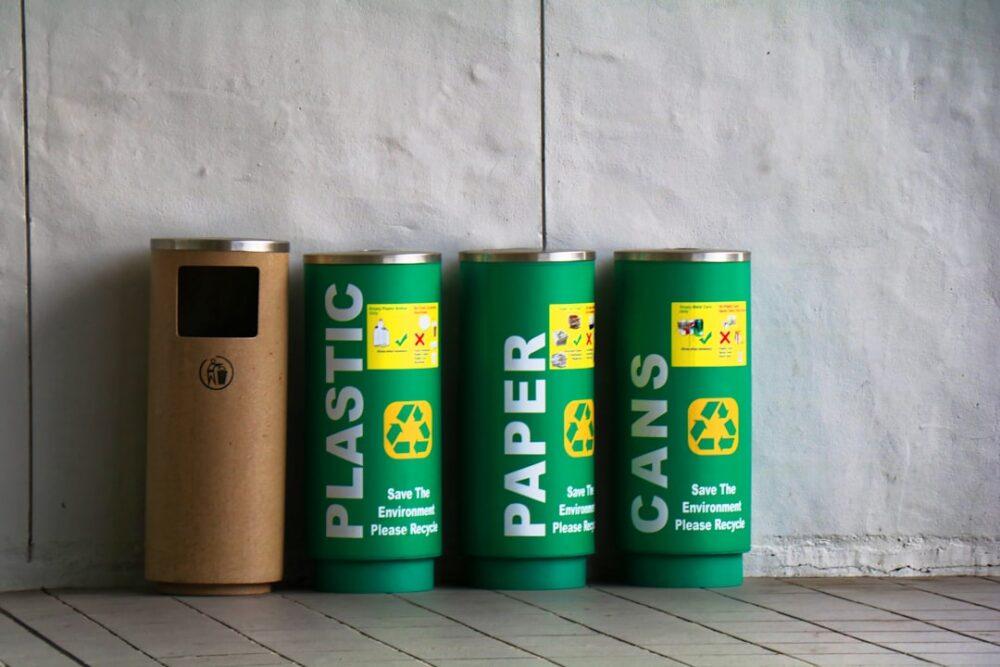 Environmentally friendly packaging refers to a type of packaging that is designed by considering environmental impacts, both in the production process, use and disposal. This packaging is usually made from materials that are biodegradable, recyclable, or have a lower carbon footprint compared to conventional packaging. In a global context that is increasingly concerned about environmental issues, environmentally friendly packaging is one solution to reduce plastic waste and pollution produced by single-use packaging.
 Eco-friendly packaging not only focuses on the raw materials used, but also on the design and functionality. For example, reusable packaging or packaging designed to minimize material use without compromising product quality. Thus, environmentally friendly packaging not only provides benefits for the environment, but can also improve the brand image and attractiveness of products in the eyes of consumers who are increasingly aware of sustainability issues.
2025 Environmentally Friendly Packaging Import Regulations
The environmentally friendly packaging import regulations which are planned to be implemented in 2025 are a strategic step by the government in reducing the negative impact of packaging waste. This regulation aims to encourage manufacturers and importers to switch to using more sustainable packaging. In this regulation, the government will set certain standards that must be met by all types of packaging entering the domestic market.
This standard covers aspects such as raw materials, production processes and recyclability. The implementation of this regulation is expected to encourage innovation in the packaging industry. With clear boundaries and standards, producers will be encouraged to look for alternative raw materials that are more environmentally friendly and develop new technology in the production process.
In addition, this regulation will also provide incentives for companies that have implemented sustainable practices, such as reducing the use of single-use plastics and increasing the use of recycled materials.
Types of Environmentally Friendly Packaging that Pass the 2025 Import Regulations
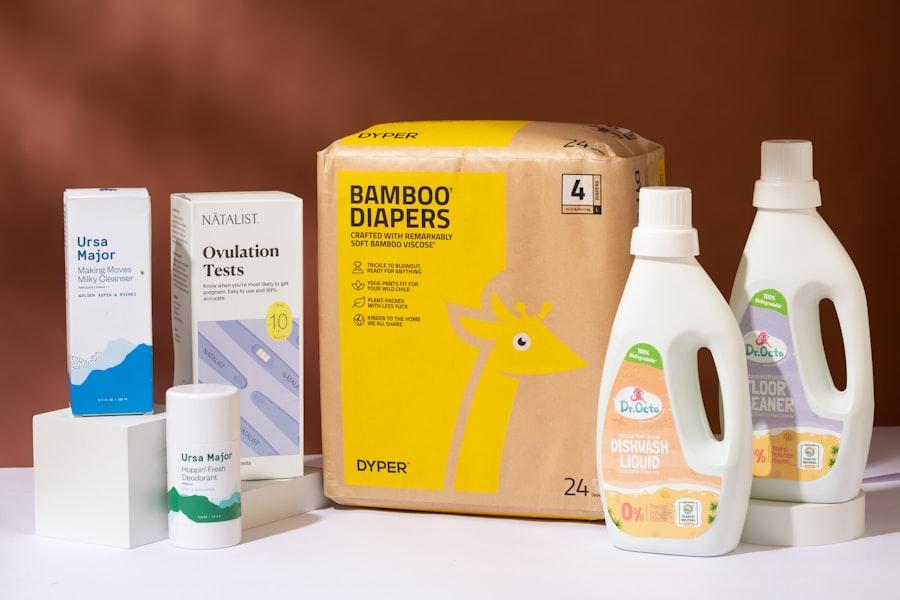
Various types of environmentally friendly packaging has been developed and is expected to meet import regulations that will be implemented in 2025. One example is packaging made from bioplastics, which are made from renewable resources such as corn starch or sugar cane. This bioplastic has the ability to decompose more quickly than conventional plastic, thereby reducing the accumulation of waste in the environment.
Apart from bioplastics, paper and cardboard packaging are also popular choices in the environmentally friendly packaging category. Paper and cardboard can be easily recycled and have a lower carbon footprint in the production process. Many companies are now switching to paper packaging for food and beverage products, because apart from being environmentally friendly, this packaging also gives a natural and organic impression to consumers.
Glass packaging is also a good alternative, because it can be reused and recycled without losing quality.
Benefits of Environmentally Friendly Packaging
Eco-friendly packaging offers various benefits for both companies and consumers. From the company's side, using environmentally friendly packaging can improve brand image and attract the attention of consumers who are increasingly concerned about sustainability issues. By investing in more sustainable packaging, companies can differentiate themselves from competitors and create stronger customer loyalty.
For consumers, environmentally friendly packaging provides a sense of security and comfort because they know that the products they buy are not only of high quality but also do not damage the environment. Additionally, many consumers are now willing to pay more for products with environmentally friendly packaging, creating new market opportunities for manufacturers. With increasing awareness of the importance of sustainability, the long-term benefits of using eco-friendly packaging are becoming increasingly clear.
Challenges in Implementing Eco-Friendly Packaging
Despite the many benefits offered by eco-friendly packaging, its implementation is not without challenges. One of the main challenges is production costs, which are often higher compared to conventional packaging. Many small and medium-sized companies may find it difficult to invest in new technology or alternative, more expensive raw materials.
This may hinder the widespread adoption of environmentally friendly packaging in the market. Apart from that, the lack of awareness and understanding among consumers about the importance of environmentally friendly packaging is also a challenge. Despite increasing awareness, many consumers still do not fully understand the impact of their packaging choices on the environment.
Therefore, education and effective marketing campaigns are very necessary to encourage changes in consumer behavior towards more sustainable choices.
Technological Innovation in Environmentally Friendly Packaging
Technological innovation plays an important role in the development of friendly packaging environment. One example of innovation is the development of new raw materials made from agricultural waste or food waste. For example, several companies have succeeded in creating packaging from fruit fibers such as pineapple or mango, which is not only biodegradable but also provides added value to agricultural waste.
Printing technology has also experienced rapid development, allowing manufacturers to print attractive designs on environmentally friendly packaging without using harmful chemical-based inks. In addition, active and intelligent packaging technology is starting to be introduced, where the packaging can interact with the product inside to extend shelf life or provide information about the product's condition to consumers. These innovations show that the future of environmentally friendly packaging is very promising.
The Role of Consumers in Encouraging Environmentally Friendly Packaging
Consumers have a crucial role in encouraging the adoption of environmentally friendly packaging. By choosing products that use sustainable packaging, consumers can signal to manufacturers that they value sustainability and are willing to support environmentally responsible business practices. Consumers' awareness of environmental issues is increasing, and many of them now do research before purchasing products to ensure that their choices do not harm the planet.
Public awareness campaigns can also help increase understanding of the importance of environmentally friendly packaging. Through social media and other digital platforms, consumers can share information and experiences regarding products with sustainable packaging. In this way, they not only influence individual purchasing decisions but also drive change at an industry level by showing that there is real demand for these products.
Steps Towards Sustainable Eco-Friendly Packaging
To achieve the goal of widespread use of environmentally friendly packaging, strategic steps are needed from various parties. First of all, the government needs to establish clear regulations and support innovation in the packaging industry. Incentives for companies that invest in green technology or use sustainable raw materials could encourage more industry players to switch to better practices.
Furthermore, collaboration between producers, distributors and retailers is very important to create an ecosystem that supports the use of environmentally friendly packaging. By sharing knowledge and resources, all parties can work together to develop innovative and efficient solutions in product packaging. Apart from that, education to consumers about the importance of choosing products with sustainable packaging must continue to be carried out so that public awareness increases.
With these steps, it is hoped that the use of environmentally friendly packaging can become a new norm in industry and society as a whole. Sustainability is not only the responsibility of governments or companies, but also our collective responsibility as individuals to protect this planet for future generations.
In the context of environmentally friendly packaging that passes the 2025 import regulations, it is important to understand the challenges faced by sellers in the export process. Articles that discuss export obstacles experienced by sellers can provide deeper insight into the various obstacles that may be faced, including in terms of selecting packaging that is in accordance with applicable regulations. By understanding these obstacles, business actors can be better prepared to face regulatory changes and adapt to international market needs.