Muslim Fashion Opportunities to the Middle East: Market Research 2025
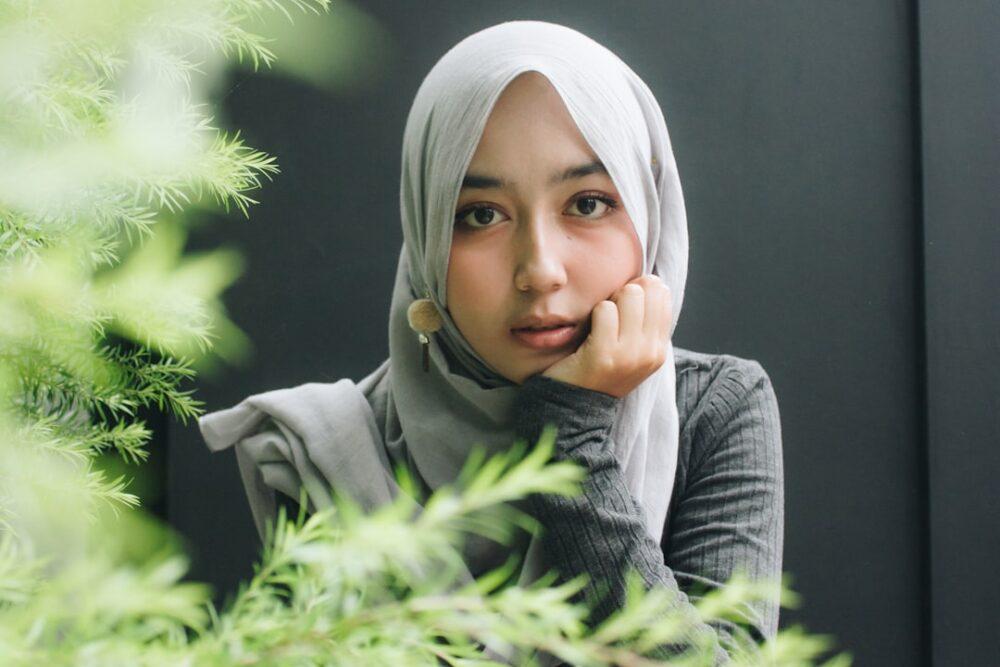 The Muslim fashion industry in the Middle East recorded substantial growth over the last decade. Saudi Arabia, the United Arab Emirates, and Qatar have developed into fashion centers that integrate sharia principles with contemporary design and textile technological innovation. The expansion of this sector is driven by the increasing purchasing power of middle-class Muslim consumers, rapid urbanization, and demand for fashion products that are in line with Islamic values but still follow global trends.
 Dubai Fashion Week and Riyadh Fashion Week have become international platforms showcasing Muslim fashion collections, attracting the participation of designers from Asia, Europe and America. Digitalization and social media platforms have transformed the marketing strategy of the Muslim fashion industry. Data shows that 78% of Muslim consumers in the Middle East use Instagram and TikTok as a source of fashion inspiration.
E-commerce platforms specifically for modest fashion such as Modanisa and The Modist have recorded an increase in transactions of up to 40% annually. Virtual fitting and augmented reality technology allows consumers to try on products digitally, increasing online sales conversions. Collaborations between Muslim influencers and international brands have expanded market reach, with the value of the global Muslim fashion industry projected to reach $402 billion by 2024.
Muslim Consumer Preferences in the Middle East
Muslim consumer preferences in the Middle East are strongly influenced by cultural, religious and social factors. People in this region tend to choose clothing that not only meets sharia requirements, but also reflects their social status and lifestyle. For example, clothing made from high-quality materials and elegant designs is often the first choice.
Consumers in the Middle East also show great interest in products that have added value, such as sustainability and ethical production. In addition, there is a tendency to choose local brands that can reflect their cultural identity. This can be seen from the increasing popularity of local designers who are able to combine traditional elements with a modern touch.
For example, many consumers prefer clothing with regional motifs or the use of local materials that support the local economy. Thus, a deep understanding of consumer preferences is very important for manufacturers and designers who want to enter the Muslim fashion market in the Middle East.
Muslim Fashion Design and Color Trends in the Middle East
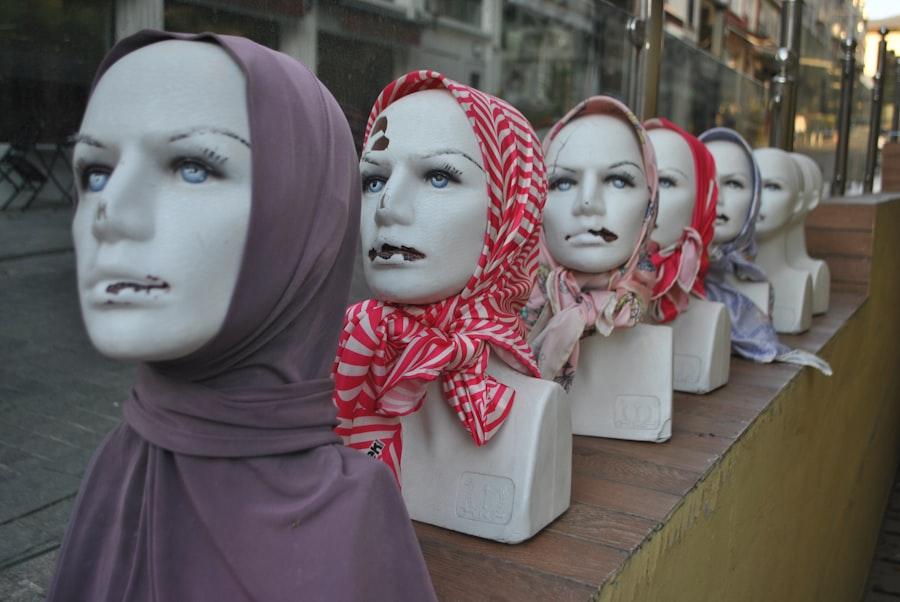
Muslim fashion design trends in the Middle East are currently very diverse, reflecting a combination of tradition and modernity. Designers often combine classic cuts with contemporary elements, creating clothing that is not only fashionable but also comfortable to wear. For example, long dresses with A-line cuts decorated with delicate embroidery or lace appliqués are a popular choice among young women.
Apart from that, the use of light materials such as chiffon and satin gives an elegant and practical impression for the hot climate in the area. Color also plays an important role in Muslim fashion trends in the Middle East. While neutral colors such as black, white and beige remain favorites, there is increasing interest in bright, bold colors.
Colors such as maroon, emerald green and navy blue are often used to add a glamorous impression to clothing. Designers also began experimenting with unusual color combinations, creating fresh and eye-catching looks. Thus, these design and color trends reflect cultural dynamics and people's desire to express themselves through fashion.
Market Opportunities for Muslim Clothing Designers and Manufacturers from Indonesia
Indonesia as the country with the largest Muslim population in the world has great potential to enter the Muslim fashion market in the Middle East. Indonesian designers and manufacturers can take advantage of the rich culture and diversity of traditional motifs to create unique and attractive products. For example, batik and ikat weaving can be adapted into modern Muslim clothing that suits the tastes of consumers in the Middle East.
With this approach, Indonesian products not only offer uniqueness but also local values that can attract the attention of the international market. Apart from that, the similarity in religious values between Indonesia and Middle Eastern countries can be a bridge to build strong business relations. Indonesian designers can collaborate with local brands in the Middle East to create exclusive collections that combine cultural elements from both parties.
This will not only expand market reach but also improve Indonesia's brand image as a producer of high-quality Muslim fashion. With the right strategy, this market opportunity can be exploited optimally by Indonesian designers and manufacturers.
Effective Marketing Strategies for Entering the Middle East Market
Entering the Muslim fashion market in the Middle East requires a careful and planned marketing strategy. One effective approach is through digital marketing. Given the high use of social media in the region, designers and manufacturers can utilize these platforms to promote their products directly to consumers.
Interesting visual content, such as photos of products in everyday settings or styling tutorial videos, can increase the product's appeal in the eyes of consumers. In addition, participation in international fashion exhibitions in the Middle East is also an important strategy to introduce the brand to a wider audience. Through this exhibition, designers can build relationships with local retailers and get direct feedback from consumers about their products.
In addition, collaborations with local fashion influencers can help increase brand visibility and attract the attention of potential consumers. With a combination of digital marketing strategies and participation in industry events, designers and manufacturers can build a strong presence in the Middle Eastern Muslim fashion market.
Potential Business Cooperation between Indonesia and Middle Eastern Countries in the Field of Muslim Fashion
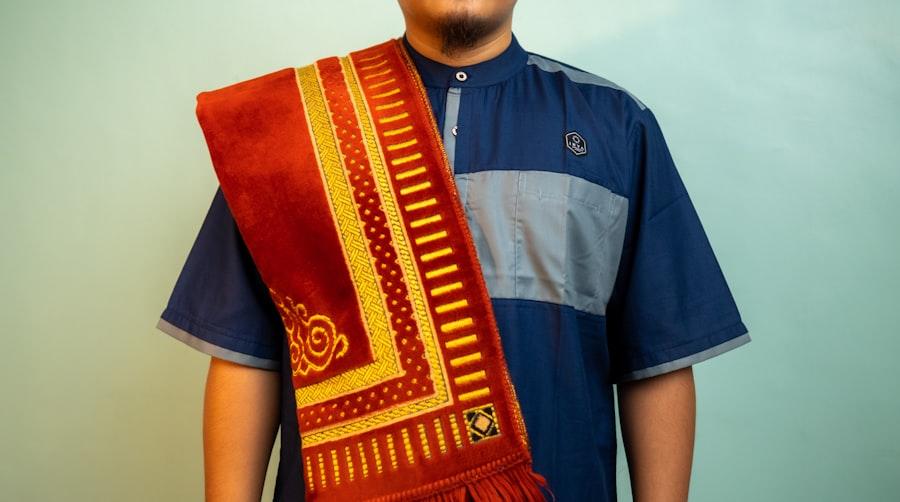
Business cooperation between Indonesia and Middle Eastern countries in the field of Muslim fashion has enormous potential. Indonesia as a Muslim fashion producer can establish partnerships with local brands in the Middle East to create joint collections that combine design expertise from both parties. For example, Indonesian designers can provide a traditional touch to modern designs favored by Middle Eastern consumers, while local brands can help with product distribution and marketing.
Apart from that, collaboration in terms of research and development can also improve the quality of Muslim fashion products. By sharing knowledge about market trends and consumer preferences, both parties can create new innovations in the design and production of Muslim clothing. This will not only strengthen the position of the two countries in the global fashion industry but also provide economic benefits for local communities through the creation of new jobs.
Supporting and Inhibiting Factors in Entering the Middle East Muslim Fashion Market
In entering the Muslim fashion market in the Middle East, there are various supporting and inhibiting factors that designers and manufacturers need to pay attention to. One of the main supporting factors is the increasing demand for high-quality Muslim clothing. People in this region are increasingly aware of the importance of the appearance and quality of the products they buy.
Apart from that, support from the government in the form of trade policies that facilitate exports is also a positive factor for industry players. However, there are also several obstacles that must be faced. One of them is the high level of competition in the established Muslim fashion market in the Middle East.
Many international brands already have a strong market share, so new players must have a clear differentiation strategy to be able to compete. Apart from that, cultural differences and consumer preferences can also be a challenge for designers from outside the region to understand local market tastes in depth.
Projected Growth of the Muslim Fashion Market in the Middle East until 2025
The projected growth of the Muslim fashion market in the Middle East until 2025 shows a promising positive trend for industry players. According to reports from various market research institutions, it is estimated that the market value of Muslim fashion will continue to increase along with the growth of the global Muslim population and increasing awareness of sharia fashion. This growth is driven by factors such as increasing people's purchasing power and interest in fashion products that are in line with religious values.
Apart from this, innovation in design and use of technology in production will also contribute to the growth of this market. Designers are increasingly using digital technology to create collections that are more attractive and meet the needs of modern consumers. Thus, the projected growth of the Muslim fashion market in the Middle East until 2025 shows that this industry will continue to grow rapidly, providing great opportunities for designers and manufacturers from various countries including Indonesia to participate in this growth.
In the context of the development of Muslim fashion in the Middle East market, it is important to understand the logistical aspects that support the distribution of these products. One relevant article is about the requirements for importing goods from China, which can provide insight into the regulations and procedures that need to be considered when sending Muslim fashion products to international markets. You can read more about this in the following article: Conditions for Importing Goods from China.