
Standards and Procedures for Selling Coffee Abroad
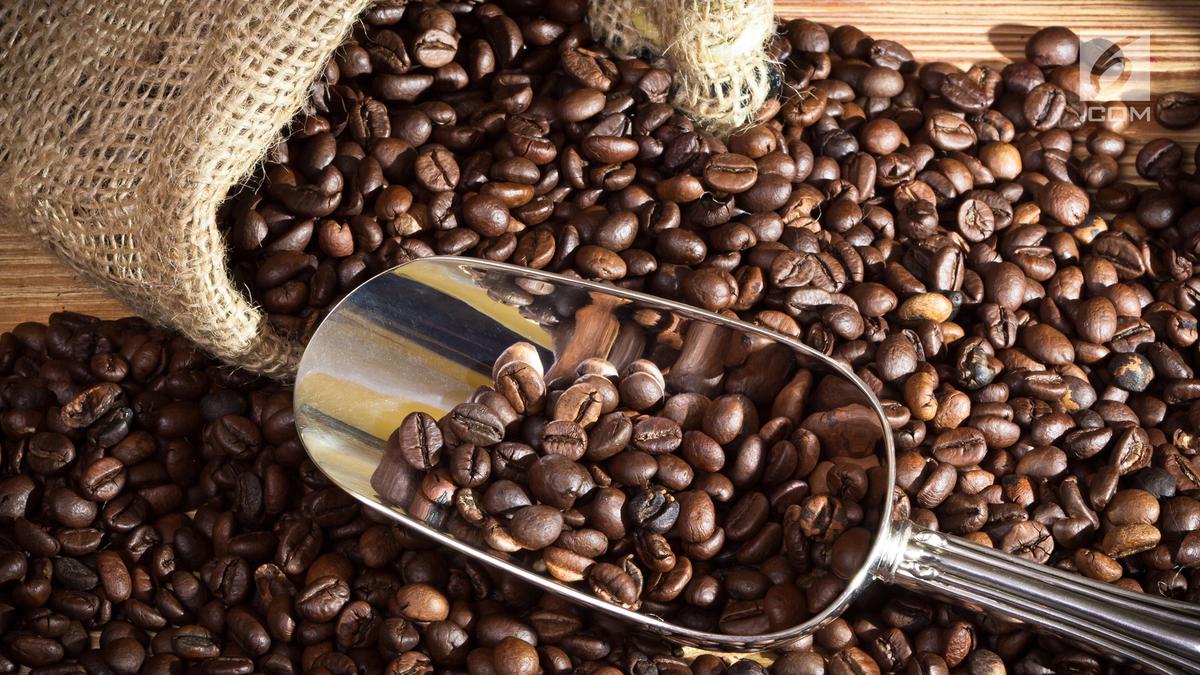
As a coffee business owner, of course you want to know how to sell coffee abroadto be successful, right? Indonesia itself is considered the largest coffee producing country in the world after Brazil, Vietnam and the United States. In fact, every year Indonesia produces around 641,833 tons of coffee. The main reason for the increase in coffee income in Indonesia is because recently drinking coffee has become a trend in several countries.

As a coffee business owner, this is of course the right opportunity to market your coffee abroad. That way you can introduce your coffee globally. However, selling coffee abroad of course has procedures that you must follow. What are they? The following is a more complete explanation.
Standards and procedures for selling coffee abroad
1. Pay Attention to Coffee Quality
Make sure that the coffee you sell overseas meets the coffee quality standards that are in accordance with the Ministry of Trade's quality standards. Not without reason, if your coffee meets quality standards, then its safety and security will be guaranteed.
If the quality of your coffee is guaranteed, buyers will not hesitate to buy your product. If you want to market coffee to different countries, of course you also have to meet the quality standards in each country.
That is why you as a seller are obliged to adjust the quality of your product so that it can enter the target country's market.
(Also read: 6 List of Indonesian Foods that are Famous Abroad)
2. Have a Business Entity and License
The way to sell coffee abroad successfullyis to ensure that you have a permit to export abroad. Apart from that, you must also have a business entity as a condition for exporting. It doesn't have to be a large business entity, an institution or individual can also do it.
If you are still a beginner, it is certain that you will later be registered as a Temporary Coffee Exporter (EKS). Only after that will you get an export permit or legality letter to export as a condition.
3. Preparing Coffee
If your coffee meets quality standards and has a permit. So the next step is to prepare the coffee to be sent abroad. You can package coffee in the form of beans or processed into powder. But currently coffee exports are still dominated by coffee beans rather than processed coffee.
Because exporting coffee beans overseas doesn't take a long time. In fact, production costs are quite affordable compared to exporting processed coffee. But if you want to export coffee grounds, there's nothing wrong with that. Because currently there are many entrepreneurs who export their coffee powder to various countries.
4. Added Packing List, Invoice, SI, and SPEC
sIt may seem complicated, but this step is quite easy to do. Even if you often send coffee to various regions, it will definitely be familiar.
Packing list is information regarding the type, quantity and weight of coffee to be sent. Don't forget to include the sales invoice. As well as adding Shipping Instructions (SI), if you don't have time, ask the expedition to make them.
Don't forget about the Coffee Export Approval Letter issued by the Trade Service. Once complete, all these documents will be handed over to the expedition.
5. Issuing PEB and NPE
PEB is a customs letter which is useful for providing information regarding the implementation of coffee exports to customs and excise officials. Later you will be asked to create a PEB first. If so, then you will receive an Export Service Note (NEP) so that the coffee transported to the customs area remains protected.
6. Issuance of Phytosanitary Certificate
Tips and methods for selling coffee overseas can take quite a long time, especially for beginners. If you have done all the steps above, then the coffee will be quarantined first.
The purpose of this quarantine is to ensure that coffee does not contain harmful substances. If it is safe, then the Department of Agriculture will issue a Phytosanitary certificate. Only after that is the coffee ready to be exported to the target country. And usually the reception time varies, depending on the distance from the destination country.
That's the correct way to sell coffee abroad. When you want to send a package abroad, make sure you choose a safe and reliable expedition service. That way, the product you send will arrive safely in the hands of the buyer.